

(June 18, 2013) Paul Flannery and his family suffered as he “ran out of food in his refrigerator, yelled at people in the street, declined into destitution and required various repeated interventions.”
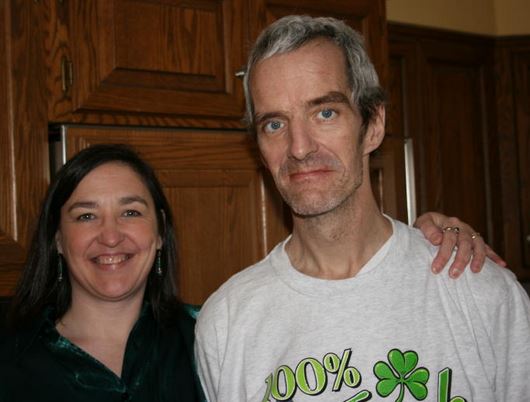 This is the story Harold Pollack tells in his piece about the devastating effect of deinstitutionalization on people with severe mental illness, a policy the author characterizes as “a well-intentioned initiative that didn’t work out as planned” (“What happened to US mental health care after deinstitutionalization,” Washington Post, June 12).
“(T)he predicament of the mentally ill in particular was worsened by one awkward reality: the economic case for deinstitutionalization — highly appealing to both fiscal conservatives and civil libertarians — turned out to be almost entirely wrong,” Pollack writes. “This economic argument proved actively destructive, since it positioned the goal posts to justify humane policies on the false hope that they would save money rather than on the basis of their ability to improve people’s lives. “
Flannery illustrates how they didn’t. Originally hospitalized for schizophrenia, he was moved into community care by the policies set in place by the Community Mental Health Act of 1963. Once in a community setting, he received little supervision and professional help.
Described by Dr. E. Fuller Torrey as “one of the greatest social disasters of recent American history,” deinstitutionalization has left countless people who need inpatient care to deteriorate in the community as Flannery did or to end up in jail or on the streets.
Pollack’s examination of the “downward trajectories” the social policy set off is not to be missed.
To comment, visit our Facebook page.
Visit our blog archive to read all our recent posts.