

(Feb. 24, 2015) Staff at the Salvation Army homeless shelter in Chicago are worried after noticing a drop in the number of people seeking shelter from bitter cold temperatures this week (“Shelter concerned the cold hasn't brought needy, homeless,” Chicago Tribune, Feb. 23).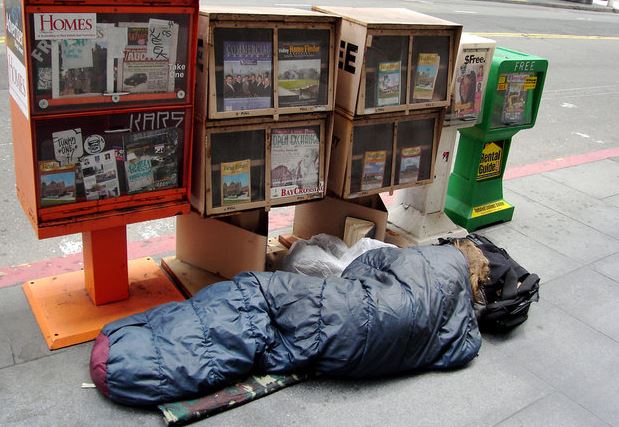 "I don't know where they could be going," said Rose Mary Salazar, Corps coordinator.
Between 75 and 100 people come in on any given day to take advantage of the free lunch the center offers, but there were only 57 on Monday, said Salazar.
Salazar said one Salvation Army client is fortunate enough to be in the hospital right now. The woman, who receives disability for bipolar disorder, went off her medication, and it was difficult to keep her in one place because she was unstable.
"Here is a woman who didn't have to be homeless at all, and yet she was too sick," she said. "Her caregiver didn't know how to keep her safe and at home, so she would just give her the money and hoped that she would get herself a room."
There are currently nearly 600,000 people in the United States who call the street their home. In many cities such as Chicago, homeless people with severe mental illnesses are now an accepted part of the urban landscape and make up a significant percentage of the homeless who ride subways all night, sleep on sidewalks, or hang out in the parks. Others live in the woods on the outskirts of cities, under bridges, and even in the tunnels that carry subway trains beneath cities.
People with untreated serious mental illness comprise approximately one-third of the total homeless population, and an even higher percentage among homeless women and among individuals who are chronically homeless. They will all be even more vulnerable this winter.
Read the Treatment Advocacy Center’s backgrounder on serious mental illness and homelessness.
To comment, visit our Facebook page.
Visit our blog archive to read all our recent posts.