

(Mar. 11, 2015) The Utah Legislature is considering potential relocation sites for a 4,000-bed state prison, but the news has been met with public concern (“Advocates urge lawmakers to improve system, not just new prison,” Desert News, Mar. 9).
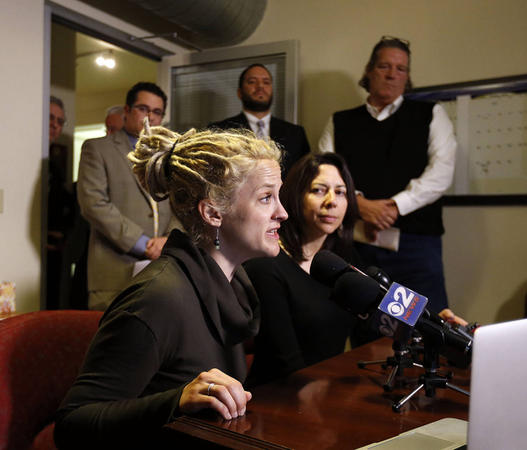 Advocates from several human rights organizations gathered at a press conference on Monday to collectively urge lawmakers to remember Utah’s most vulnerable citizens when considering where to relocate the state prison.
“[The] objective needs of our criminal justice and correctional system should determine where the prison goes,” argued ACLU Utah public policy advocate Anna Brower.
The prison relocation is a “once-in-a-lifetime opportunity to serve the interest of all people who are so easily ignored or are trapped in the criminal justice system,” said Brower.
Nearly 50 percent of all jail or prison inmates suffer from serious or persistent mental illness, said Aaron Kinikini, legal director of the Utah Disability Law Center.
The Utah state prison does not currently have enough psychiatric beds to accommodate the “number of inmates who desperately need treatment rather than punitive isolation,” Kinikini said.
Jean Hill from the Catholic Diocese of Salt Lake City took issue with the current prison system, noting that it doesn’t foster an environment that is suitable for rehabilitation. If inmates with mental illness don’t receive the treatment they need at some point during the criminal justice process, then lawmakers will not “resolve the issues that are leading to the state’s high recidivism rate,” Hill said.
The advocates agreed that the new prison should be built with modern technology to ensure the safety of both inmates and correctional officers, at a location that is accessible to experienced employees and mental health providers, and in close proximity to treatment facilities.
Read theTreatment Advocacy Center’s backgrounder "How many individuals with serious mental illness are in jails and prisons?" to learn more.
To comment, visit our Facebook page.
Visit our blog archive to read all our recent posts.
Advocates from several human rights organizations gathered at a press conference on Monday to collectively urge lawmakers to remember Utah’s most vulnerable citizens when considering where to relocate the state prison.“[The] objective needs of our criminal justice and correctional system should determine where the prison goes,” argued ACLU Utah public policy advocate Anna Brower.
The prison relocation is a “once-in-a-lifetime opportunity to serve the interest of all people who are so easily ignored or are trapped in the criminal justice system,” said Brower.
Nearly 50 percent of all jail or prison inmates suffer from serious or persistent mental illness, said Aaron Kinikini, legal director of the Utah Disability Law Center.
The Utah state prison does not currently have enough psychiatric beds to accommodate the “number of inmates who desperately need treatment rather than punitive isolation,” Kinikini said.
Jean Hill from the Catholic Diocese of Salt Lake City took issue with the current prison system, noting that it doesn’t foster an environment that is suitable for rehabilitation. If inmates with mental illness don’t receive the treatment they need at some point during the criminal justice process, then lawmakers will not “resolve the issues that are leading to the state’s high recidivism rate,” Hill said.
The advocates agreed that the new prison should be built with modern technology to ensure the safety of both inmates and correctional officers, at a location that is accessible to experienced employees and mental health providers, and in close proximity to treatment facilities.
Read theTreatment Advocacy Center’s backgrounder "How many individuals with serious mental illness are in jails and prisons?" to learn more.
To comment, visit our Facebook page.
Visit our blog archive to read all our recent posts.