

(Aug. 19, 2015) One of the most frequent arguments we hear from opponents of court-ordered treatment for severe mental illness is that involuntary treatment hurts the chances of recovery.
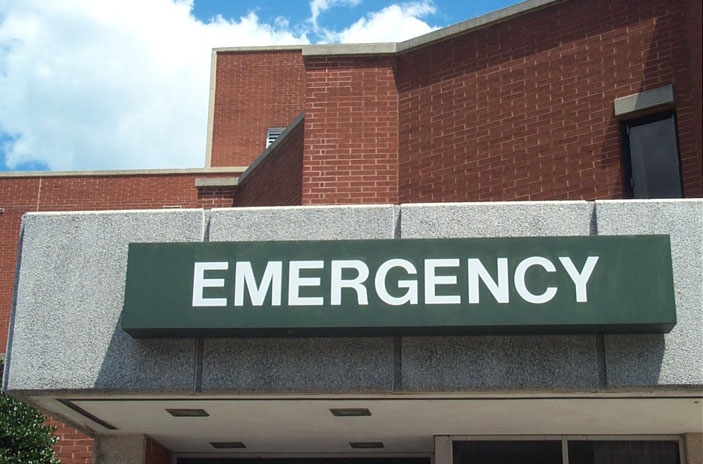 But a new study in Psychiatric Services looked at the quality of life and functioning for 102 psychiatric patients one year after they experienced coercion during emergency admissions in one of four mental health facilities in Ireland (“Quality of life and functioning one year after experiencing accumulated coercive events during psychiatric admission,” August 2015).
“Coercive events during psychiatric admission appeared unrelated to functioning and quality of life one year after discharge,” the authors concluded.
In fact, the authors said, “(C)oercion facilitated the treatment of individuals who refused treatment….If coercion were not used, outcomes for these individuals one year after discharge could have been worse.”
“Quality of life” was measured by factors like employment, housing or engagement with friends a year after the hospital admission. “Coercion” was defined as the use of physical restraint, forced medication or seclusion.
Findings such as these are important to families and advocates alike. Anyone who has experienced or watched a loved one undergo coercion in a hospital knows it is frightening.
Consumers and family members often agonize about the long-term effect of crisis interventions, coercion among them. This study provides reassuring data.
At the same time, policy makers considering treatment law reform often are told involuntary treatment options reduce the chance for recovery.
Evidence to the contrary is a powerful answer, and this study offers it.
(Photo: Taber Andrew Bain/Flickr)
To comment, visit our Facebook page.
Visit our blog archive to read all our recent posts.