

(Sept. 30, 2015) A group of former Los Angeles County jail inmates filed legal action earlier this week seeking changes to a recent settlement that they say fails to require adequate services for mentally ill and homeless jail inmates after their release (“Ex-inmates want L.A. County to stop dumping mentally ill inmates on skid row,” Los Angeles Times, Sept. 28).
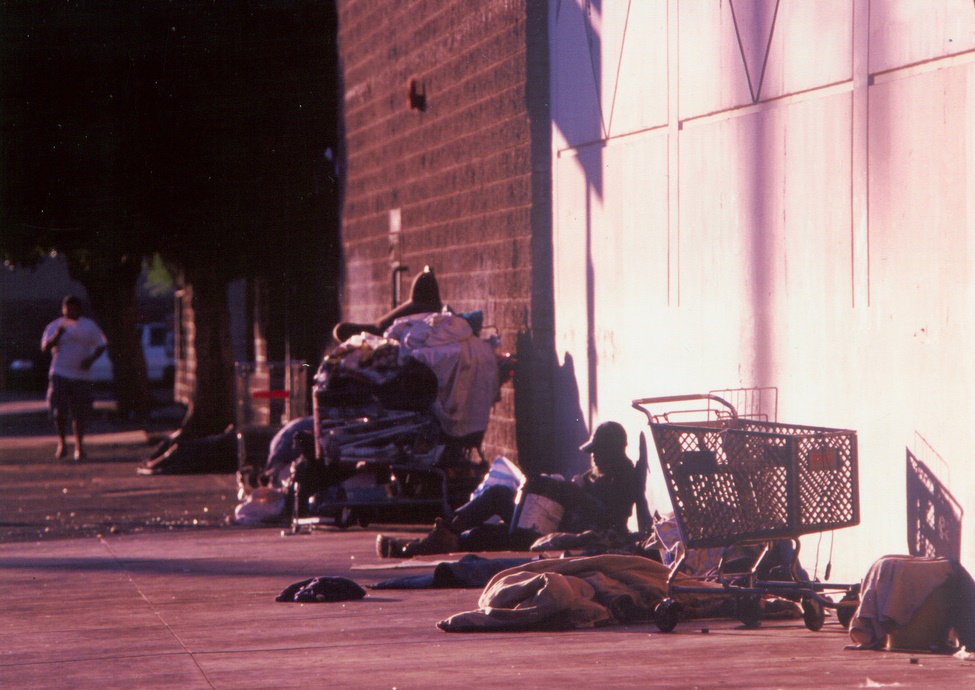 The former inmates argue that the settlement between the Sheriff’s Department and federal authorities continues a cycle in which people with untreated mental illness bounce back and forth between jail and Skid Row in Los Angeles County.
“The continuous jail-to-Skid Row-to-jail cycle responsible for the perpetuation of our crisis of homelessness is the shame of our community,” said Mark Rosenbaum, one of the attorneys representing the group.
The settlement requires the county to conduct discharge planning for inmates with serious mental illness when they are released from jail, and provide them with prescriptions for medication and referrals to mental health providers.
But, while good in theory, former inmates who have gone through the process say it’s ineffective. In practice, “discharge planning” often means giving inmates a list of providers and releasing them to fend for themselves.
Royal Williams, a 44-year-old homeless man diagnosed with schizoaffective disorder and one of the plaintiffs in the case, said that he has been arrested multiple times for petty offenses, and released with a list of referrals.
“There were maybe 50 places on the list, and I didn’t know which ones would be good for me," Williams said. "Mentally, I wasn’t in a place where I could figure out who to call or where to go. I threw the lists away.”
Officials think they are saving money by dumping patients onto the streets, but they are not. In fact, a 2001 University of Pennsylvania study examining 5,000 homeless people with mental illnesses in New York City found they cost taxpayers an average of $40,500 a year for their use of emergency rooms, psychiatric hospitals, shelters, and prisons.
In 2005, the Los Angeles Times reported on the skid row scene and described it as “a human catastrophe unfolding a few blocks from City Hall, in a city of unfathomable wealth.”
A decade later, and this “human catastrophe” is still unfolding.
To be sure, much progress has been made in California in the past 10 years. 11 California counties have adopted Laura's Law, covering more than 50 percent of the population. Still, much more work needs to be done.
(Photo: Eve Fouché/Flickr)
To comment, visit our Facebook page.