

(July 17, 2018) Early intervention with the use of antipsychotic medications and the presence of a security officer may prevent needing to resort to seclusion and restraint in inpatient psychiatric hospital settings, according to new research published this month in Psychiatric Services.
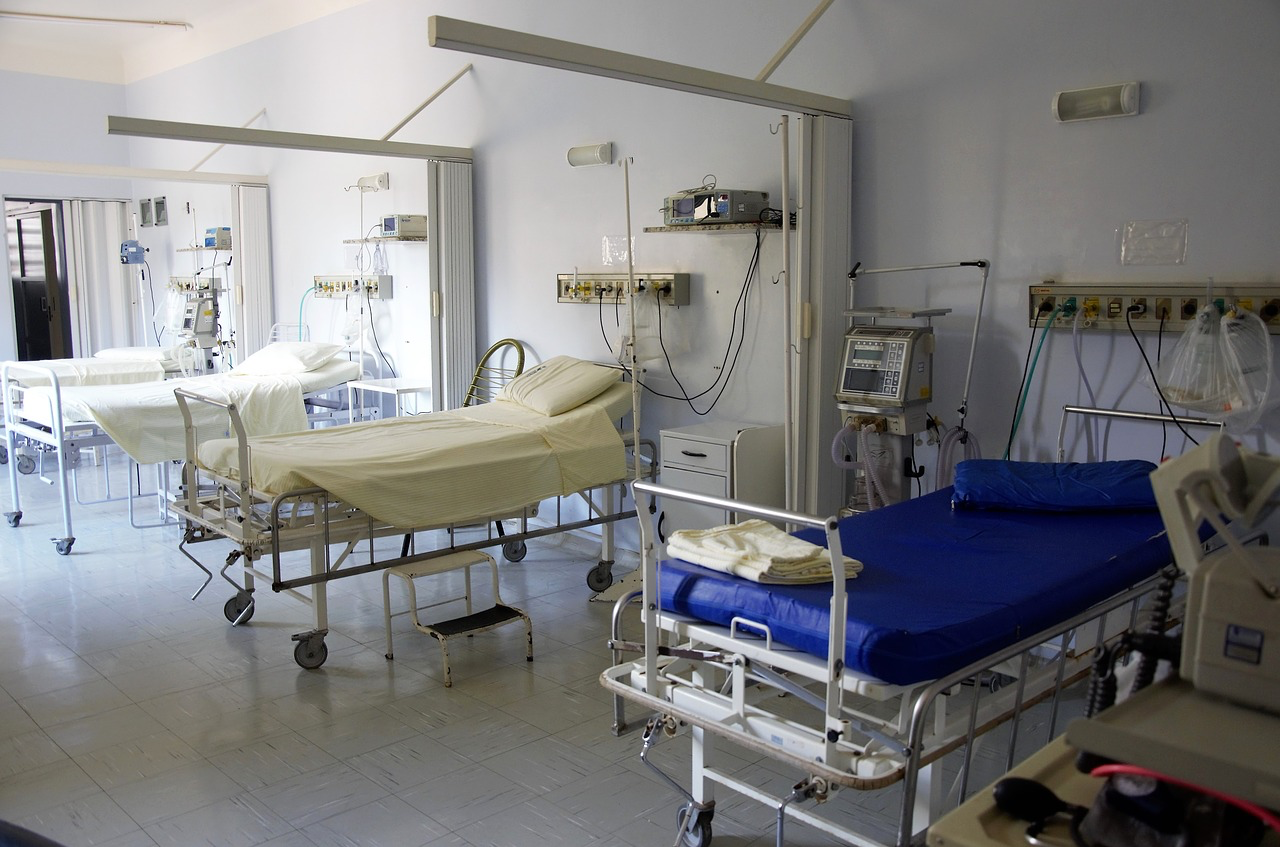
Violence and aggressive behaviors are common in inpatient psychiatric hospitals, especially during the first week of hospitalization when patients' symptoms are most acute and the individual may be getting used to the rules and structure of the inpatient unit.
Little research exists into the role security officers play in inpatient psychiatric units, what types of behaviors prompt a security officer response and what the resulting outcome is, but Ryan Lawrence, MD, and colleagues from Columbia University Department of Psychiatry sought to address this research gap. They analyzed patient records and security officers' response at New York Psychiatric Institute's Allen Hospital inpatient psychiatric unit, a 30-bed unit that was recently under scrutiny due to impending closure to expand Allen Hospital's surgical unit.
Patients are admitted to the inpatient unit via the hospitals' emergency department and all have co-occurring mental illness and substance use disorders. Half of the individuals studied were involuntarily hospitalized and 67% of the individuals were needing this level of care due to medication noncompliance.
They found that during a six-month period, only 49 of the 272 patients admitted to the unit generated any security calls. However, those 49 individuals generated 157 security calls during their hospitalization. Half of those 49 individuals generated only one call during their stay, indicating that approximately 10% of the individuals hospitalized in the unit during the six-month period expressed significant violent or aggressive behaviors requiring the presence of security.
Relevant findings
Consistent with previous research, the majority of the security calls were during the first week of hospitalization. This suggests that in addition to patient's symptoms being more acute in the beginning of their hospital stay, patients and staff get acquainted over time which may change staffs' perception of when security presence is needed. "These hypotheses might also explain why most patients with security calls had only one or two calls; acuity was decreasing over time, patients were getting acquainted with the floor routines, and staff were getting acquainted with the patients," Dr. Lawrence writes.
The most common patient behavior resulting in a security call was 'threats to persons,' whereas 'attacks on persons' was much less frequent. In addition, no episodes of seclusion or restraint on patients were used during this time course. The vast majority of security calls resulted in an intramuscular injection of antipsychotic medications followed by oral medications. This suggests that the use of medications and security presence by Allen hospital staff may prevent the use of seclusion and restraint for individuals with serious mental illness who express violent or aggressive behaviors, according to the authors. Seclusion and restraint practices "may only be imposed to ensure the immediate physical safety of the patient, a staff member, or others..." 42 C.F.R. § 482.13(e) and are used as a quality of care metric for hospital funding in order to limit its use.
The study findings are not necessarily generalizable to other settings as accreditation agencies allow hospitals to generate their own patient safety plans. However, this research raises important considerations into how and when to intervene with patients with serious mental illness who express violent behaviors in a hospital setting.

Elizabeth Sinclair
Director of Research
References:
- Lawrence, R. E. (2018, July). Use of security officers in inpatient psychiatry units. Psychiatric Services.