

(October 8, 2019) Individuals with serious mental illness who engage in volunteer activities may have better perceptions of their overall health, according to new research.
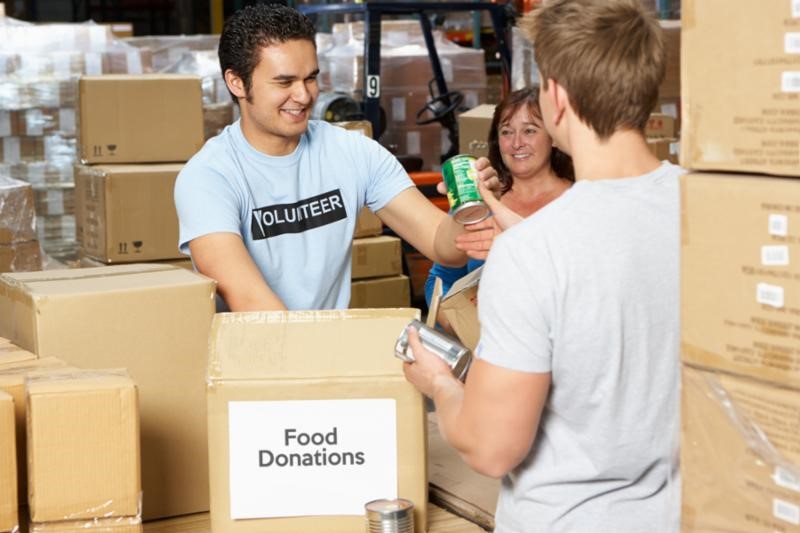
Volunteering can be an extremely meaningful endeavor, providing individuals with the opportunity to interact with their community and feel like they are having a positive impact on society. Among the general population, volunteerism has been shown to improve self-rated health, increase happiness, and reduce depression and psychological distress.
Researchers Mary L. Held and Sungkyu Lee recently explored data from the 2014 California Health Interview Survey (CHIS) to determine whether volunteering also improves health for people with serious mental illness, who often have trouble forming social connections and engaging with society. Similar findings could offer a new way to enhance the well-being of individuals with serious mental illness and contribute to a more meaningful life for this population.
The telephone-based survey identified 1,127 individuals with serious mental illness through a number of questions related to potential symptoms of mental illness. It did not obtain information related to specific diagnoses such as schizophrenia or psychosis. Respondents were also asked to rate their perceived general health status from 1 (poor) to 5 (excellent) and provide a “yes” or “no” response to whether they had engaged in volunteer or community service work in the past year. The researchers also included sociodemographic information from the survey, such as race, education, and poverty status, in their analysis.
Over 40% of respondents reported that they participated in volunteer work in the past year and over 50% reported a health status of “good,” “very good,” or “excellent.” As for the effect of volunteering on health, individuals with serious mental illness who engaged in volunteer activities in the past year reported, on average, 30% greater perceived health than individuals with serious mental illness who had not engaged in volunteer activities. Sociodemographic variables such as higher education and lack of poverty also contributed to greater perceived health.
The study authors note that the sample population may not be representative of the overall population of individuals with serious mental illness. Sample respondents reported significantly higher levels of education than found in previous studies and were also less likely to be married. The sample also consisted only of individuals living in the state of California, making generalization at the national level difficult.
Regardless, the results provide support for engaging individuals with serious mental illness in volunteer activities to improve their perceived health. The researchers suggest a vital role for service providers in offering and coordinating volunteer opportunities for vulnerable clients who may face barriers to these opportunities on their own. Further research should explore various types of volunteer activities and their unique effects on perceived health status.
References:
- Held, M. L. & Lee, S. (2019). Relationship between volunteering and perceived general health of individuals with serious mental illness. Community Mental Health Journal.

Jessica Walthall
Research and Advocacy Associate
Treatment Advocacy Center