

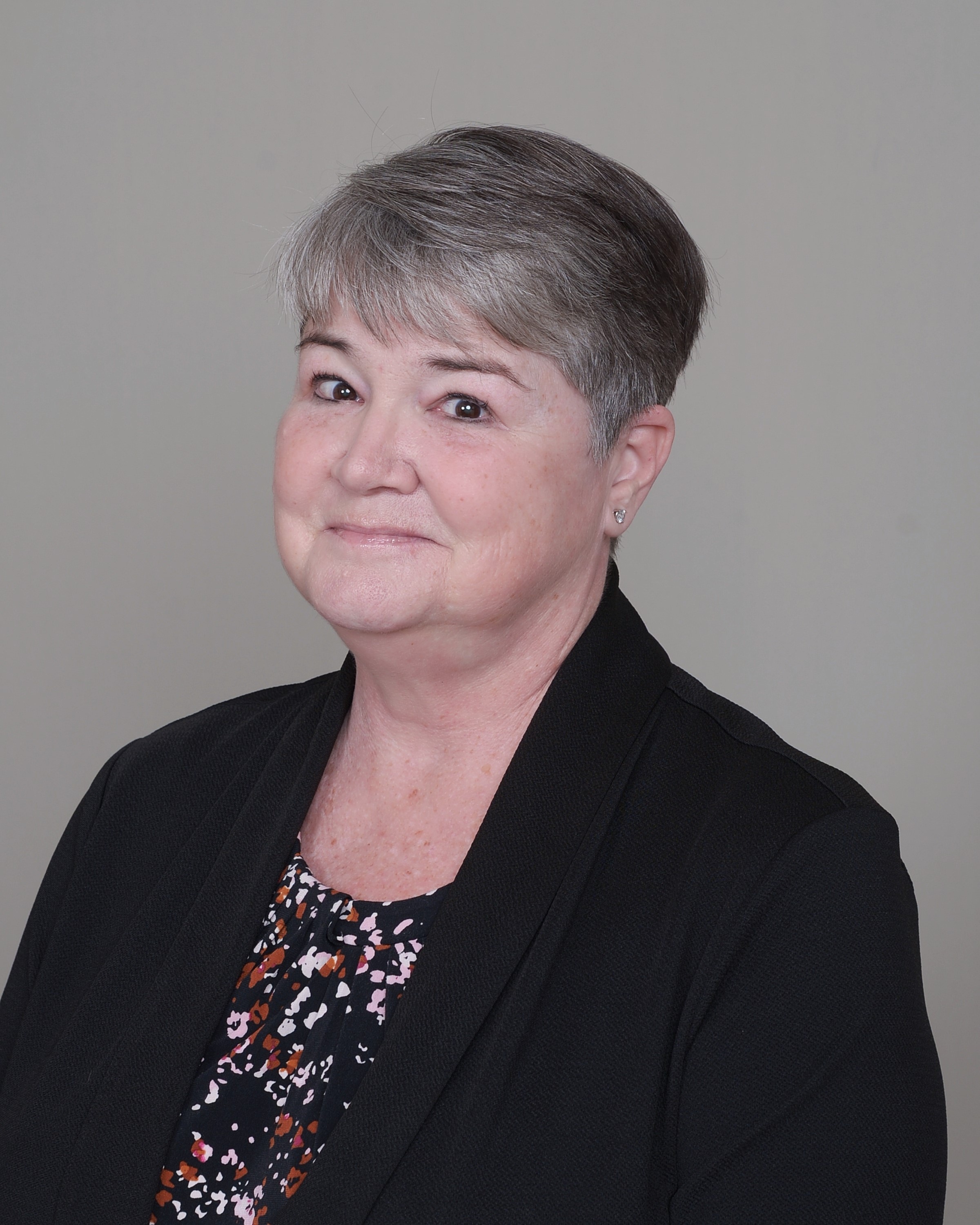
Personally Speaking: From Torture to Treatment
By Kathy Day
I am the caregiver for my adult family member. He had his first psychotic episode more than eleven years ago. When he was diagnosed with schizophrenia, I knew nothing about this disorder. Well, almost nothing. I knew it would be a lifelong illness. I vowed to take care of him and stay with him throughout this illness.
I had no idea how hard our future would be. I was lucky to stumble upon a group of amazing family members on social media, who are also advocates. Through them, I discovered the Treatment Advocacy Center. The Treatment Advocacy Center has been a beacon of hope for me throughout this illness. The staff have educated me about the legislative process and equipped me with the skills that help me to better advocate for my family member and make my voice heard.
It was a struggle trying to get proper help for my family member, but I was determined. Still, it felt as though there was nothing I could do to change the trajectory of his illness. There were so many obstacles that felt insurmountable. For example, he developed a phobia about riding in moving vehicles. I couldn’t take him to see a psychiatrist. Without a psychiatrist, he couldn’t get his necessary medication.
I cobbled together a patchwork of a team to get him through this period, but this was less than ideal. My family doctor was willing to come to our home to meet with him and prescribe his medications, but the doctor had no experience in psychiatric illness. Because he was undermedicated, my family member began using illicit drugs. The doctor became concerned about the combined effects of these drugs and the meds he had prescribed and chose to stop prescribing the meds. That presented a new challenge.
Our pharmacist helped taper him off the meds, while I worked to get him into a psychiatric facility. When he was symptomatic, I called law enforcement to come evaluate him for an inpatient stay but they said he didn’t meet the criteria for an involuntary hold.
From the onset of my family member’s illness, he has been tortured by what he refers to as “spirits.” These spirits would often torture him and kill him (he believed). The pain he felt from this torture was real. I knew I needed to take stronger action, but how?
I had to find a way to help him end his agony. I had two options: I could let him go and allow him to deteriorate on the streets, or I could (yet again) fight hard to get him into an inpatient setting. I chose the latter.
After trying and failing to get law enforcement to take my family member to the ER, I decided it would be better if I helped my family member understand the need so he could make the choice for himself. He finally agreed!
This process took patience and love. Most of all, it took listening to him, really listening. When he would say something about the “spirits” torturing him, I would gentle suggest that maybe, just maybe, a hospital could help him with that. I had to actively listen for opportunities to gently nudge him toward voluntarily admitting himself.
I immediately discussed conservatorship with the inpatient doctor. This was the only way to save his life. He would continue to deteriorate and become more addicted to drugs if I didn’t take this drastic measure. I was afraid he would die.
In California, where we live, the bar is set incredibly high for an LPS conservatorship and there are many checks and balances. Thankfully, my family member is in favor of me acting as his conservator and he realizes this is a necessary tool to help him achieve a better life.
Since that bar is high (rightly so), it was a battle to get the county to agree that conservatorship was necessary. Once county officials agreed, they decided he would be best served in a board and care home. I expressed my concerns about his drug use and his carelessness with cigarettes. That was enough to get them to agree that he needed a locked facility, so that he would be protected 24/7 and unable to wander into the community where illicit drugs might be easily available.
It took eight long months in an acute facility before he was approved for a locked mental health rehabilitation center. He then spent a year in that facility. In March 2021, he was stepped down to an adult residential facility, having achieved the stability necessary to have a less restrictive housing option. This facility is unlocked, and he has stayed away from drugs. He has friends and the facility has 24-hour staff. He is learning to manage his symptoms and seems to enjoy being there.
He has conquered his phobia of riding in moving vehicles, thanks to his treatment. He is rarely tortured by “the spirits” anymore. He is improving every day.
I wish this journey had been easier. I wish I had had someone with experience who I could reach out to for guidance on how to help my family member help himself, and how to navigate the system of care. I have had to learn a great deal about navigating our broken mental health care system in the past eleven years, through trial and error and from listening to the stories of other families.
All of this led me to accept my new position as senior family liaison at the Treatment Advocacy Center. In this new role, I can use my experience to teach other families how to find help for their loved ones who have severe mental illnesses (SMI).
We, the families of people with SMI, are a community. Not a community we chose, but one that chose us. As members of this community, we have a duty to share our experiences and knowledge to help each other. I look forward to doing just that.
Kathy Day is an advocate for her family member and other caregivers of loved ones with severe mental illnesses. Read her blog, “Broken” at www.facebook.com/ourbrokensystem.