Personally Speaking: The scrum: My journey from rugby to recovery
By Steven Pryce
Rugby is a rough sport. Some people say it’s like football without the pads. When I was in high school, I played for the Canton Maddogs Rugby Club in Northeast Ohio. It was an adult team, but they allowed me to join underage. I was not 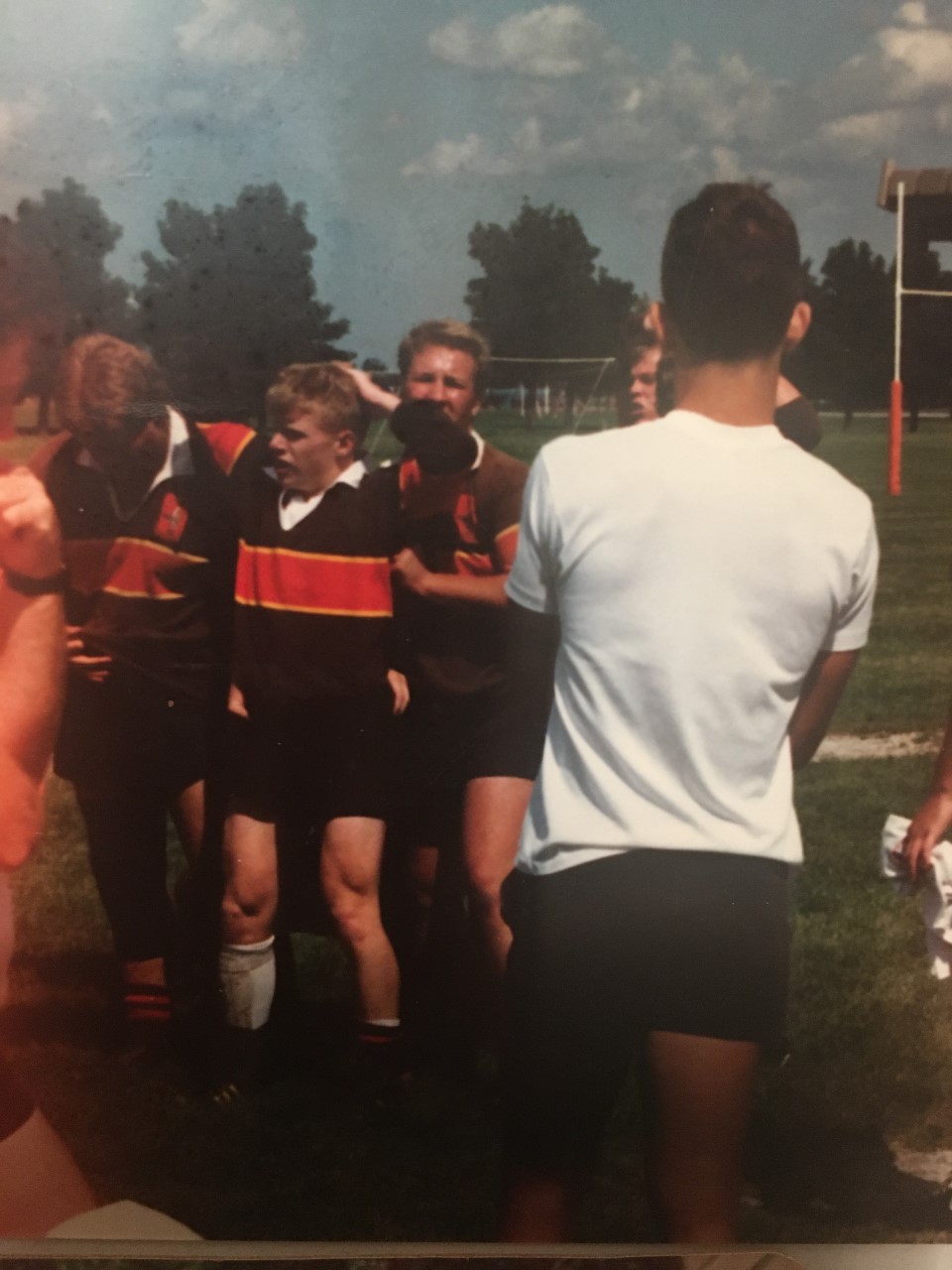 very big, but I was strong for my size and a good all-around player. I won the team’s MVP award when I was 18. After high school, I went on to play in college at Bowling Green State University and later transferred to Hillsdale College to join the club team there.
After college, I began a career in sales. I landed a job in downtown Cleveland, but had to quit when I started experiencing paranoia and grandiose beliefs. Unable to find or hold down a job for more than a year, I was hospitalized and diagnosed with schizophrenia.
Schizophrenia is a debilitating illness. Without medication and proper treatment, it can lead to suicide, incarceration, and homelessness. Soon after my diagnoses I stopped taking my medication. I couldn’t deal with the illness and the stigma surrounding having a mental illness. My appearance became disheveled and unkempt. I went from weighing 185 lbs to weighing 147 lbs. This continued for five years while I refused to accept treatment.
When I ran into former teammates around town during that time, some didn’t recognize me. “You’re not Steve Pryce,” they would say, then laugh and leave. While living at the YMCA, one former teammate saw me on the street and offered to take me to lunch. He was dressed in khakis and a golf shirt and worked at an office. “I’m broke,” I said, walking back to my fourth-floor room, frustrated and angry.
My symptoms were scary to me, but not as scary as losing the life I once had. I was lucky to have the support of my family. Without their support, my story would have turned out much worse.
Once I was able to accept treatment and begin my recovery, I focused on keeping a job and volunteering for the National Alliance on Mental Illness (NAMI). It took a decade, but I became better. I went from a low-level position at a housing agency to a Peer Housing Specialist. At NAMI, I was a support group leader and wrote for the newsletter. It was a valuable experience that showed me how to stay the course. However, I suffered from self-stigma. I isolated, and only associated with others that had a mental illness. I was too embarrassed and ashamed to re-connect with people I knew from my past.
I was scared people would reject me if they knew about my mental illness, but I began to realize that I could no longer keep it a secret. It seemed like everyone already thought there was something different about me, so I started writing about my experiences. I had my story published in the Akron Beacon Journal and the Treatment Advocacy Center’s Catalyst magazine. I also joined The Writers Group in Akron and Literary Cleveland and will soon be published in an anthology.
When I finally joined Facebook, I found a community of people who were affected by similar conditions and fighting against the stigma. For years, I was afraid to join. Former rugby teammates accepted my friend requests, and the captain of the Kent State rugby team that I had played for posted about depression and PTSD. I felt less shame.
Recently, I was invited to an Old Boys rugby meeting at a local bar for the Canton Maddogs. This group decides who will be in the team’s Hall of Fame. At this meeting, we selected three players. Two of them had played more than ten years and had won player awards. The third was a team founder, who died in a motorcycle accident. I played for only two years. For me, it was an accomplishment to just be at the table. I ate my wings and drank my Diet Coke, proud of what I had overcome.
“You’re now on the Selection Committee,” my fellow teammate said to me afterward. “We love you, brother.”
Steve Pryce resides in Northeast Ohio and is a workshop specialist for disabled adults.