Personally Speaking: Living My Childhood Dream
By Kelli South
When I was a child and people asked me what I wanted to be when I grew up, I used to answer, “I want to help people.” I was always an 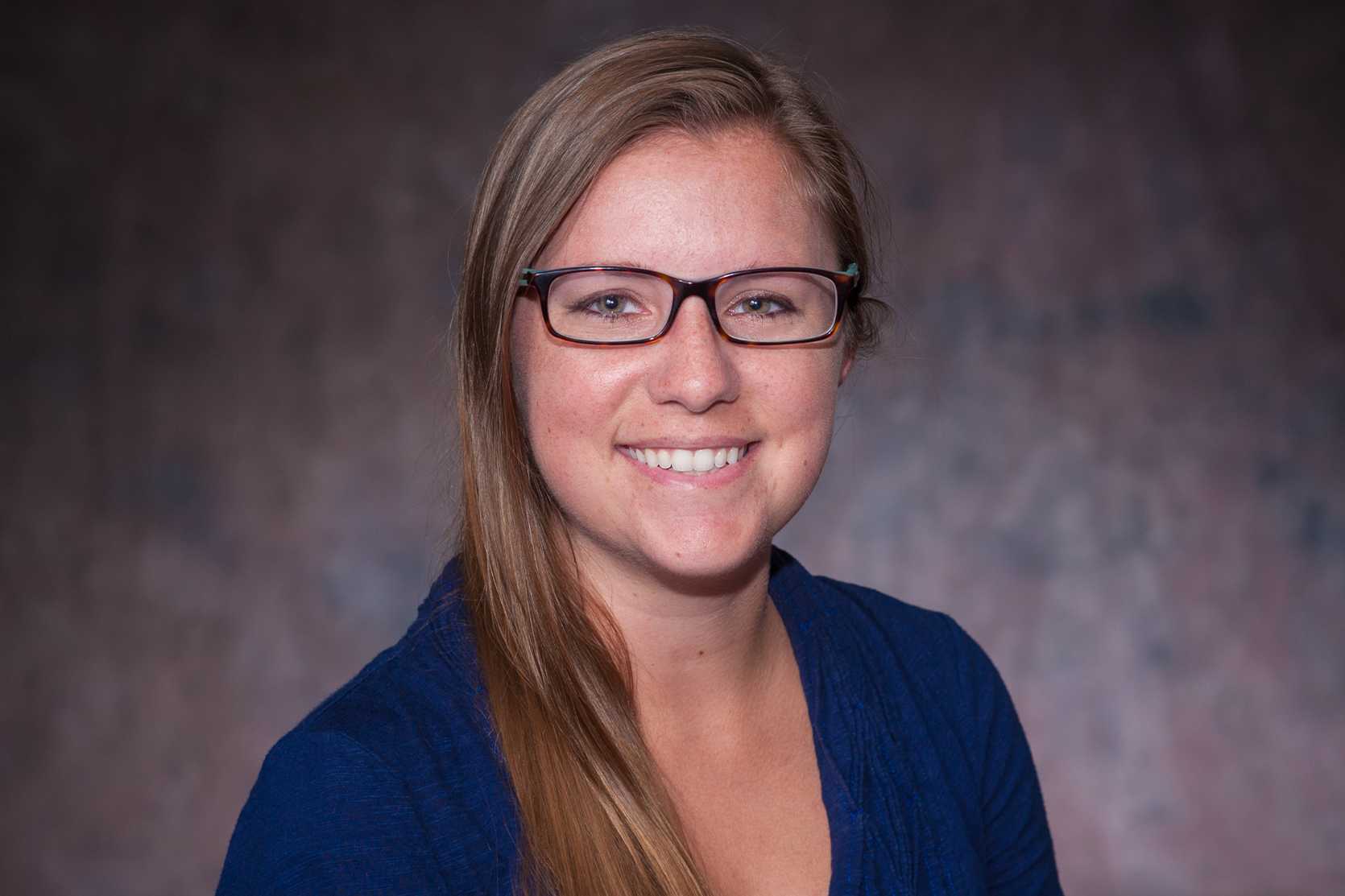 empathetic kid, a trait that has carried over into adulthood. Now that I am an adult, I still stand by that answer – which is how I ended up working for the Treatment Advocacy Center.
I didn’t know exactly how I wanted to pursue the vague goal of “helping people” until I started joining various professors’ research projects as a research assistant in college. The more projects I worked on, the more I saw how big of an impact research can have on all aspects of life, particularly politics.
During this time, I was splitting my time living in rural and urban parts of Kentucky, between college and home. This was between 2012 and 2016, at the onset of the opioid epidemic. I watched family and friends lose their lives to addiction and was committed to do something to help, giving my life a more focused purpose. I began to spend all of my time in school, and much of my time outside of class, researching subjects in the public health and drug policy fields.
When I moved to Washington D.C. in 2016, my first job was in drug policy, working for an organization that reformed state marijuana laws. There, I witnessed the power of advocacy and the impact that a small nonprofit can have on policy.
Eventually I decided that if I was serious about moving into a research-oriented career, I needed more education. I earned a master’s in public policy from American University in December 2019 and began working at the Treatment Advocacy Center shortly after.
Working at the Treatment Advocacy Center allows me to combine two of my passions – research and public health. Research in the mental health field can be hugely beneficial to those suffering from mental illness and their families, but it is often unavailable and unaffordable to most people. Our Office of Research and Public Affairs prioritizes making public health research surrounding severe mental illness accessible to the public. One way we do this is through our Research Weekly blog, where we draw attention to a new piece of research on severe mental illness once a week.
While I do not have personal experience with severe mental illness, my short time at the Treatment Advocacy Center has already allowed me the opportunity to hear stories from those with severe mental illness and those who are family members to people with severe mental illness. This allows me to better understand the struggles of the people impacted by severe mental illness. This understanding is so valuable to our work and informs all of the projects we pursue.
I also see similarities between the experiences of Treatment Advocacy Center family members and my own experience as a family member of someone with substance use disorder. While the illnesses are different in many ways, the pain, uncertainty and helplessness that plagues the family of someone with severe mental illness or substance use disorder are the same.
Every day, I see how the work of the Treatment Advocacy Center and its Office of Research and Public Affairs impacts those who suffer from severe mental illness. While we are a long way away from a perfect mental health system, more people now have access to life-saving treatment for their illness because of the Treatment Advocacy Center. I am fortunate to contribute to this work in small ways every day.
If I could speak with my younger self today, I would proudly reassure her that one day she will achieve her goal when she grows up.
Kelli South is the research assistant at Treatment Advocacy Center.